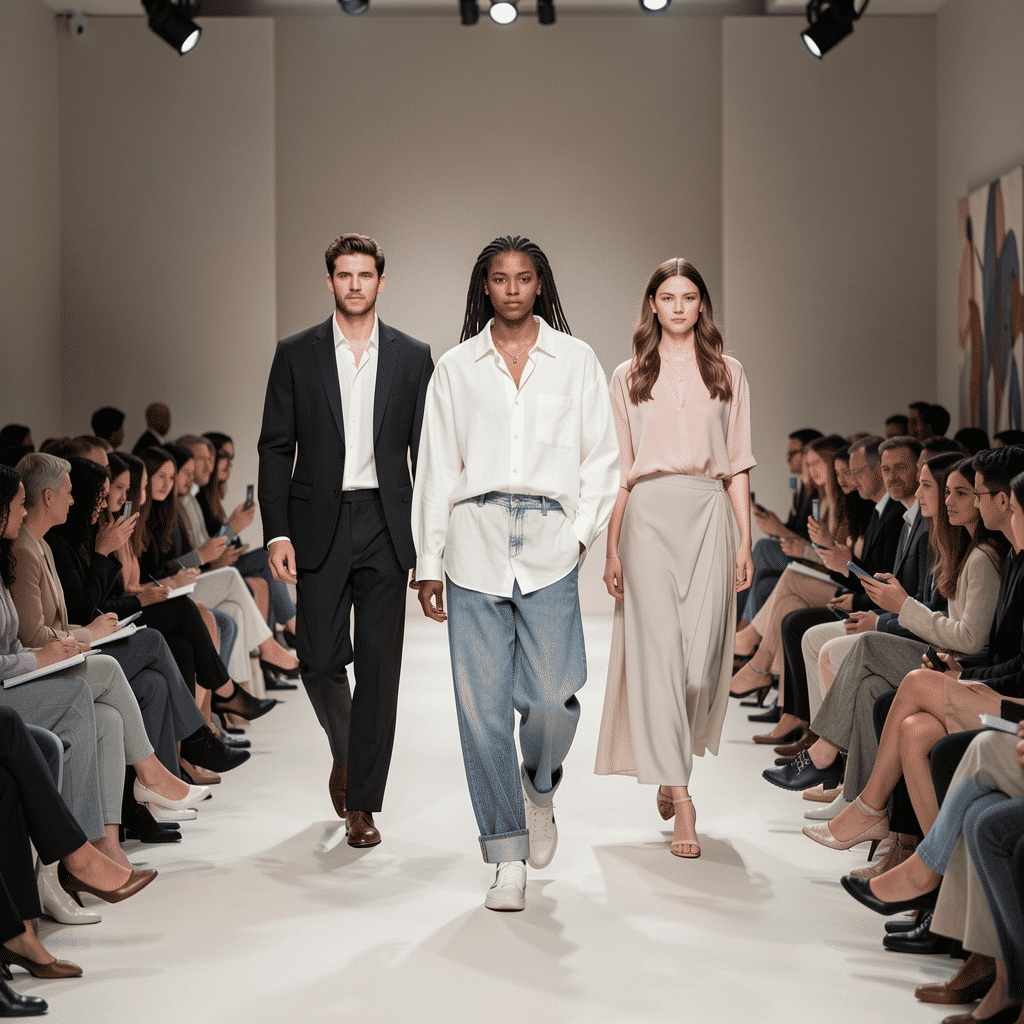
In recent years, the fashion industry has witnessed a transformative shift with the rise of gender-neutral fashion. This movement is reshaping the way designers approach their collections, challenging traditional norms, and embracing a more inclusive approach to style. The surge in popularity and acceptance of gender-neutral fashion is not just a fleeting trend but a profound reflection of societal change, one that acknowledges and celebrates individuality and diverse identities.
For decades, fashion has been largely divided into rigid categories of "menswear" and "womenswear," often reinforcing stereotypes and limiting creative expression. However, as societal perceptions of gender continue to evolve, so does the fashion landscape. The emergence of gender-neutral fashion is a testament to this evolution, offering a more fluid and versatile approach to dressing.
Leading designers and fashion houses are increasingly incorporating gender-neutral pieces into their collections, breaking down the barriers that have long separated men's and women's clothing. This shift is evident in the growing prevalence of unisex or genderless lines that blur the lines between traditionally defined gender boundaries. Instead of designing with a specific gender in mind, designers are focusing on creating pieces that prioritize comfort, function, and personal expression over gender norms.
Several factors have contributed to this rise in gender-neutral fashion. Firstly, there has been a growing recognition and acceptance of non-binary and gender-fluid identities, prompting the fashion industry to respond with more inclusive offerings. As consumers increasingly seek to wear pieces that resonate with their personal identity rather than conform to traditional labels, brands are taking note and adjusting their design philosophies accordingly.
Secondly, the growing influence of social media has played a pivotal role in promoting gender-neutral fashion. Platforms like Instagram and TikTok have become powerful tools for individuals to showcase their personal style, often challenging and redefining gender norms in the process. This democratization of fashion has allowed for greater visibility and representation, encouraging brands to embrace diversity in their collections.
The appeal of gender-neutral fashion also lies in its practicality and sustainability. By creating pieces that are not confined to a specific gender, designers can reduce waste and encourage more sustainable practices. Gender-neutral clothing is often designed with longevity and versatility in mind, allowing individuals to mix and match pieces without the constraints of traditional gendered designs.
Notable designers who have excelled in this area include brands like Telfar, which proudly markets its collections as "Not for you—for everyone." Other high-end fashion houses like Gucci and Balenciaga have also explored gender-neutral concepts, incorporating them into their runway shows and seasonal collections. This trend is not confined to high fashion alone; fast fashion brands and independent designers are also embracing and promoting this inclusive approach.
Ultimately, the rise of gender-neutral fashion signifies a broader cultural shift towards acceptance and diversity. It challenges the notion that clothing must be gendered and proves that style is a form of self-expression that transcends binary constraints. As the fashion industry continues to evolve, the embrace of gender-neutral fashion not only revolutionizes how we perceive clothing but also how we understand and appreciate individuality in all its forms. The future of fashion is inclusive, diverse, and undeniably exciting.