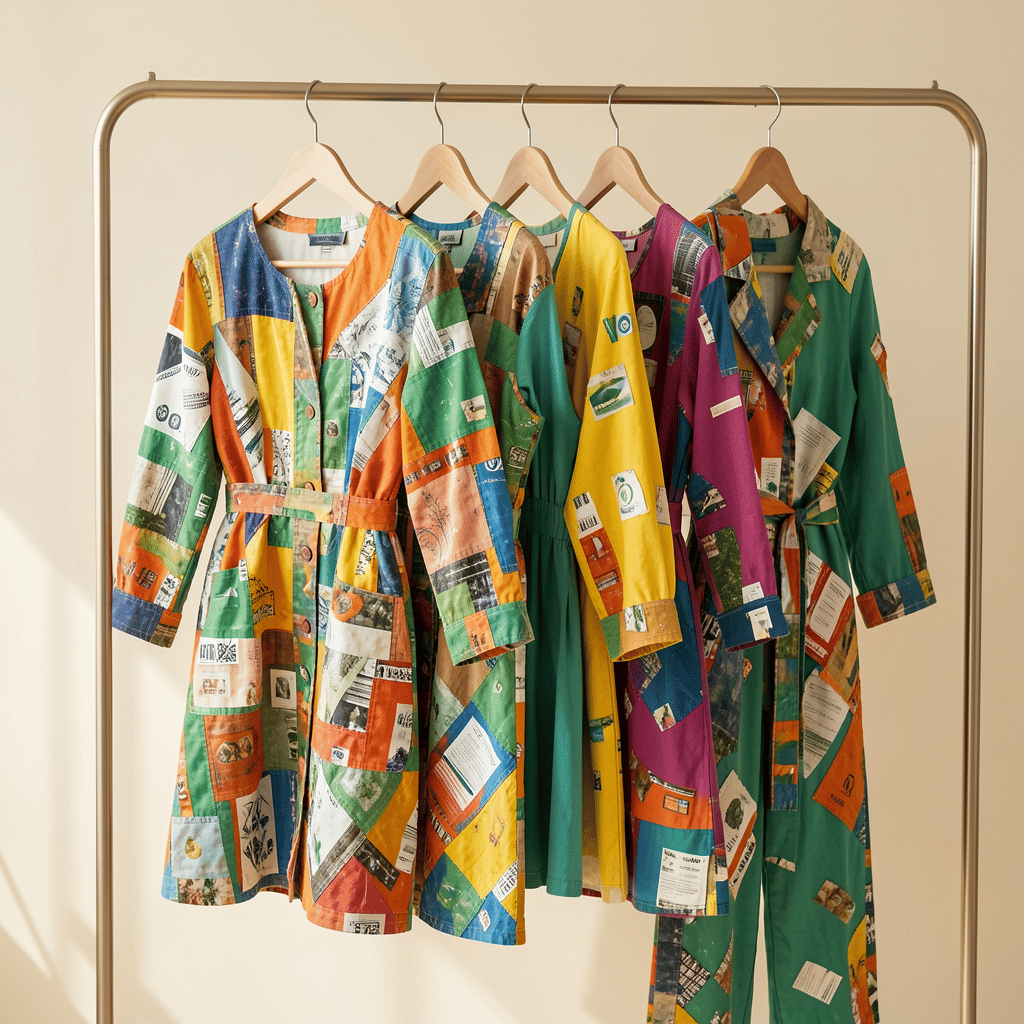
In recent years, the fashion industry has been undergoing a transformative shift towards sustainability, marking the dawn of a new era in style and ethics. With growing awareness about climate change, environmental degradation, and ethical production practices, brands and consumers alike are re-evaluating the impact of fashion on our planet and its people. As a result, sustainable fashion practices are not only transforming the industry but also setting new standards for what clothing can represent—both personally and globally.
At the heart of this transformation is the adoption of eco-friendly measures aimed at reducing the environmental footprint left by the fashion industry. Renowned for being one of the most polluting sectors in the world, the fashion industry has had to confront its role in contributing to vast amounts of waste, water pollution, and carbon emissions. To counter these issues, leading brands have begun implementing various green initiatives, spearheading a movement towards more ethical and sustainable practices.
One prominent shift is the increased use of sustainable materials in clothing production. Brands are exploring innovative fabrics such as organic cotton, hemp, bamboo, and recycled materials, which require less water, pesticides, and energy to produce. Additionally, surprising new materials are finding their way into fashion, such as fabric made from recycled plastics and even biodegradable fibers derived from plant sources. These materials not only reduce the environmental impact of production but also contribute to a longer lifespan for each garment.
Another crucial element in the sustainable fashion movement is a focus on ethical manufacturing. There is a growing demand for transparency in supply chains, ensuring that workers are paid fair wages and provided with safe working conditions. Brands are being held accountable, with consumers increasingly opting to support companies that prioritize people over profit. The rise of certifications and standards like Fair Trade and the Global Organic Textile Standard (GOTS) has made it easier for consumers to identify and choose ethically-made products.
Furthermore, the concept of circular fashion is gaining traction, emphasizing the importance of extending the life of garments and minimizing waste. Circular fashion encompasses practices such as thrift shopping, renting clothes, and upcycling materials, which all contribute to reducing the volume of waste ending up in landfills. Brands are also introducing take-back programs that allow customers to return old items for recycling or upcycling, creating a closed-loop system that conserves resources and reduces waste.
As we look to the future of fashion, it's clear that sustainability is not merely a trend, but a fundamental shift in the industry. Companies that incorporate sustainable practices appeal not only to the increasing number of eco-conscious consumers but also position themselves as leaders in innovation and responsibility. Moreover, with governments around the world enforcing stricter regulations on environmental compliance, sustainability is becoming a necessity rather than a choice.
Ultimately, sustainable fashion represents a holistic approach to style that intertwines environmental stewardship with social responsibility. It challenges the fast fashion model of disposable garments and invites consumers to form lasting relationships with the clothes they own. By embracing sustainable practices, the fashion industry is setting a positive precedent, paving the way for a future where style is synonymous with sustainability—without compromising on creativity and expression. Through these efforts, the world of fashion is stepping into a new era, one defined by hope, integrity, and a commitment to protecting the planet we call home.